It was developed as part of DECODE – a National Institute for Health and Care Research (NIHR)-funded project led by Loughborough University and Leicestershire Partnership NHS Trust – using artificial intelligence and health data from more than 33,000 people with learning disabilities.
Using information such as age, sex and existing health conditions, the digital healthcare tool shows which health conditions a person may be more likely to develop and when, based on what has been observed in people with similar health profiles.
On average, people with learning disabilities die 20 years earlier than the general population with 39% of deaths deemed avoidable – more than double the rate seen in the wider population.
DECODE researchers believe the tool could help save lives by enabling healthcare professionals to spot potential health problems earlier and work with people with learning disabilities and their carers to take preventative action.
“I 100% believe this work will save lives, empower healthcare professionals, and improve the quality of life for people with learning disabilities and their carers”, said Professor Thomas Jun, co-lead of DECODE and an expert in sociotechnical system design at Loughborough University.
“We are now hoping to secure funding so we can further develop and test the tool. We feel we are halfway towards creating real change.”
The researchers say the tool could be ready to trial in real healthcare settings within four years, once it has been refined and tested using larger healthcare datasets.
“People with learning disabilities have an annual health check with their GP”, said Dr Satheesh Gangadharan, Consultant Psychiatrist at Leicestershire Partnership NHS Trust and co-lead of DECODE, “Our aim is to integrate the tool into these health checks.
“If healthcare professionals had access to a tool like this during that visit, they could see not only the conditions a person currently has, but also the risk of future conditions developing.
“This would allow them to consider interventions and prevention strategies earlier, potentially preventing future conditions from developing.”
‘This has never been known before’
The tool was designed to help tackle the challenge of multiple long-term health conditions in people with learning disabilities, including diabetes, heart disease and mental health conditions.
Research by the DECODE team found that 86% of people with learning disabilities they studied were living with multiple long-term conditions – at least two, and in some cases as many as 12.
It has previously been difficult to understand how different conditions influence one another, say the researchers, and how a person’s health may change over time.
Using artificial intelligence and statistical methods, Professor Georgina Cosma, an expert in AI and data science, and colleagues analysed health datasets from England and Wales to identify combinations of conditions among people with learning disabilities.
“Some of these combinations are different from what is seen in the general population, and this has never been known before,” said Dr Gangadharan.
These insights were used to develop the digital healthcare tool, which produces visual maps to show how conditions can develop and interact.
“The tool allows healthcare professionals to select an age group, sex and existing conditions, and then visualise how health trajectories may unfold over a given number of years based on observed population data”, explained Professor Cosma.
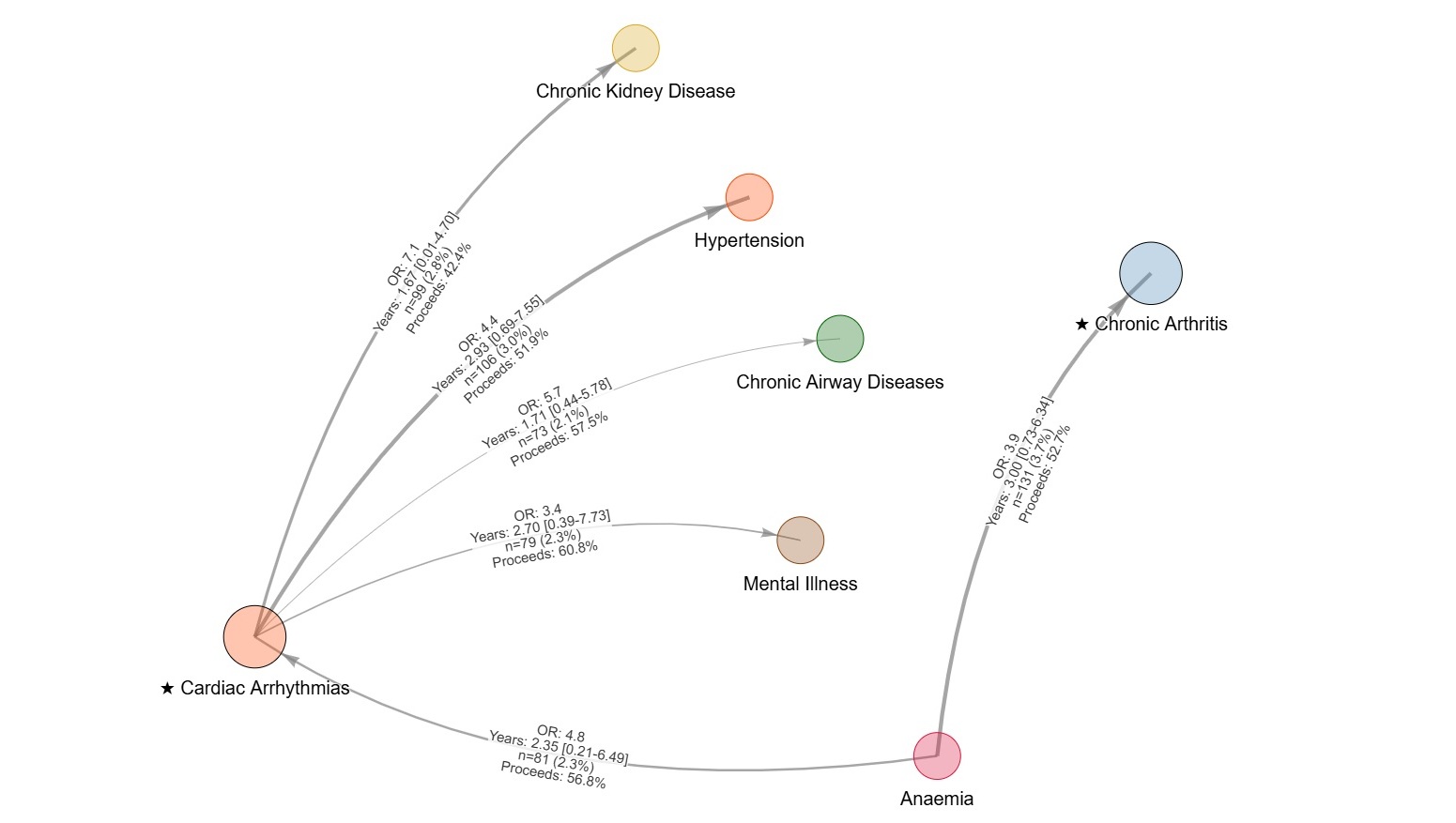
A visual map generated by the DECODE healthcare tool showing how different long-term health conditions may develop and interact over time in a hypothetical woman aged 45–64 with existing conditions (cardiac arrhythmia and chronic arthritis). Drawing on large-scale health data analysis, the tool highlights potential pathways between conditions. The thickness of the connecting lines and accompanying numerical values indicate the strength of these relationships, helping researchers and healthcare professionals explore future health risks.
‘I think the DECODE project can help people like me’
People with learning disabilities and their carers have been central to discussions around how the tool could be used in healthcare settings.
They have also guided research questions and shared their experiences of healthcare, including what does and does not work for them.
Their input has helped shape another major component of the DECODE project: the development of accessible health resources designed to help people with learning disabilities better understand their health and improve healthcare interactions.
Dr Alison Drewett, a DECODE Research Associate and Speech and Language Therapist, says many people with learning disabilities can find it difficult to communicate how they feel and make sense of physical changes. As a result, symptoms may be missed or mistaken for part of a person’s learning disability rather than signs of an underlying condition.
“The tool will help flag potential health conditions and, alongside the supporting resources, help address this challenge,” she said.
One of the co-developed resources is an animation titled “Maria’s Story”, which explains how health can change over time, the impact of lifestyle choices on wellbeing, and how the DECODE digital tool can help people with learning disabilities.
Another resource is a set of simple, colour-coded icons designed to make different health conditions easier to recognise and understand, helping to improve communication in healthcare settings.

Simple colour-coded icons developed by the DECODE team to help people with learning disabilities easily recognise and understand different health conditions as part of the project’s accessible communication resources.
“I think the DECODE project can help people like me”, said forty-five-year-old Russell Lacey, who took part in the project and said healthcare appointments can feel “rushed” and “difficult to understand”.
Twenty-two-year-old Abigail Fitzcochrane, who has dyspraxia and autism, agrees that DECODE will make a difference.
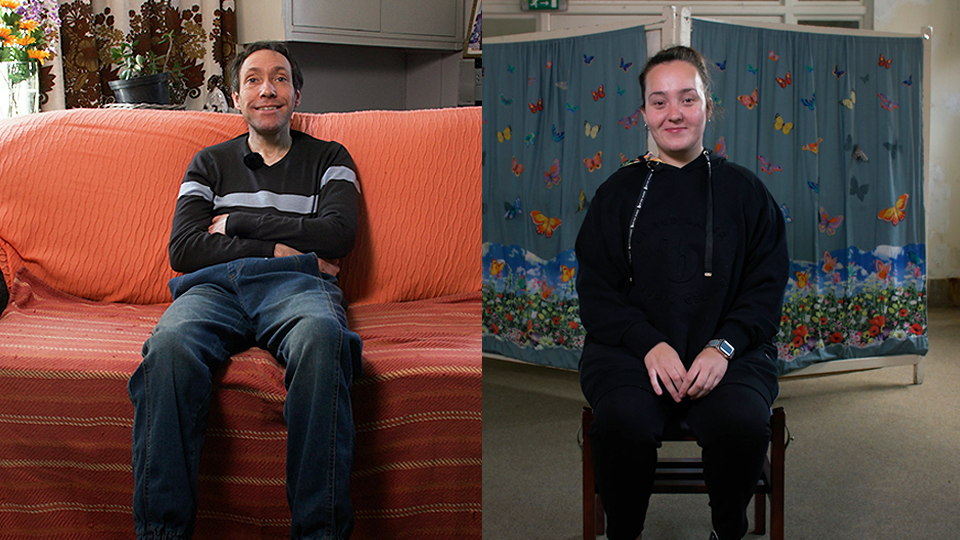
Russell Lacey and Abigail Fitzcochrane shared their lived experiences as part of the DECODE project.
“I get quite scared around GPs and healthcare professionals because I don’t always know how to explain how I’m feeling,” she said, “Sometimes my family has to help speak for me.
“I think DECODE will help people understand what GPs are saying and make healthcare communication easier. I also think the technology will really help people.”
Next steps
Researchers are now seeking funding so they can embark on the second phase of the DECODE project.
In addition to further developing and testing the tool, phase two will expand the accessible resources and explore how they could be integrated into healthcare settings and apps.
It will also focus on helping shape healthcare guidance and policy for people with learning disabilities.
The team is set to release a policy briefing setting out how findings from DECODE could be translated into changes in NHS care, with recommendations focused on earlier intervention, prevention and more joined-up care.
‘It’s helped me realise it’s okay to be who you are’
Although further work is needed before the DECODE tool and resources are rolled out more widely, people involved in the project say it has already changed their health and wellbeing.
Pianist, organist, and singer Thomas Corden, 24, who has autism and runs the YouTube channel ‘ItsTCThePianoman’, says being part of DECODE has encouraged him to make healthy lifestyle changes.
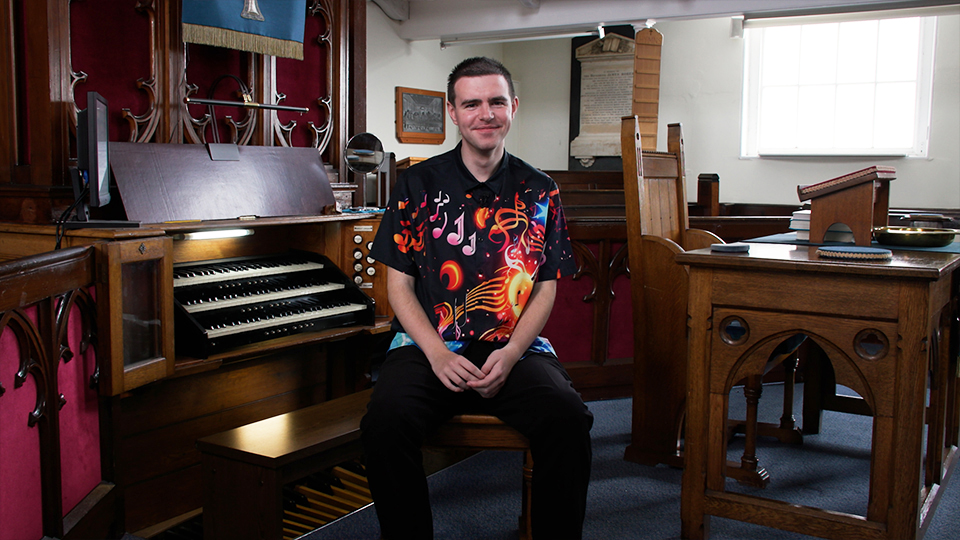
Thomas Corden says the DECODE project has changed his life "massively".
“I’ve definitely made lots of positive changes because I now go out for walks regularly and focus on good nutrition,” he said.
“I think DECODE has changed my life massively. It’s also helped me become more confident.”
Abigail added: “Being part of the project has helped me feel more comfortable being known as a disabled person. It’s helped me realise it’s okay to be who you are.”
Praise for DECODE
The project has received praise from Jon Sparkes OBE, Chief Executive at Mencap.
He said: “This is very important work. Life expectancy for people with a learning disability is on average around 20 years below that of the general population. Their deaths are twice as likely to be from avoidable causes and more likely to be related to their healthcare. People with a learning disability often have multiple long-term conditions and need support to be able to manage their own health.
"The DECODE project is a great example of how the drive to digitise the NHS can be used to improve health outcomes for people with a learning disability and empower them to understand and manage their health conditions. It will provide national and local leaders with valuable insight that can be used to plan health and care services for people with a learning disability."
For further information on the DECODE project, visit the dedicated website.
The current phase of DECODE ends in August 2026. The team is seeking funding and collaborators to continue the project and take its work into the next phase. Organisations interested in supporting its development can contact decode@mailbox.lboro.ac.uk.